Search

Ben_Slingerland

The Business of Sports

Tag

Sports

From NIL to ROI: Why Value Driven Tech is Winning in College Athletics

With the kickoff of the college football season this weekend, conversation will undoubtedly turn to the big recent changes in college athletics. This past June, there was a landmark decision when the House v NCAA settlement was approved, opening the door for revenue sharing with college athletes.

There have already been massive trickle down effects from this decision, but one of the biggest has been the significant new financial burden put on college athletic departments’ budgets.

Division 1 schools can now distribute up to $20.5 mil/yr with that figure expected to rise to around $32.9 mil by 2034-35. This has caused massive deficits even at the top echelon of college sports.

For example, even a high major powerhouse like the University of Michigan has already been scrambling to make immediate adjustments. Michigan had to make budget cuts and introduce supplemental revenue streams through alcohol sales and concerts to balance their budget after projecting an estimated $27 million deficit for 2025-26 following the House settlement.

That said, smaller and mid-major schools are feeling the impact the most, as many Group of Five and similar programs don’t even have $20 million in athletic revenue to begin with. This is posing a legitimate existential financial threat to college sports as we’ve known them. The disparity will increase, as Power 5 juggernauts fully fund athlete salaries, on top of already effectively buying out the top mid major performers each year through NIL money in the transfer portal.

All of this has caused schools to reevaluate their approach to athletics – budget cuts, reallocations, finding new avenues to bringing money into their programs (including private equity). Texas A&M is eliminating nearly $10 million via staff reductions, trimmed team budgets, fewer disbursements and restructuring scholarships. The sad reality here is that Olympic sports are on the chopping block at many institutions, due to limited funding and shifting priorities.

Tying this back to the world I live in, the world of sport performance technology … I have quickly found that college athletic departments, across the board (Sports Medicine & Rehab, Video & Analytics, Data Management, Strength & Conditioning, etc), are looking to save where they can, for all the reasons listed above.

One of the bigger line items for many D1 athletic departments is wearable technology, which has rapidly transitioned from a luxury item to a core pillar for the vast majority. The value of this data in reducing injuries and optimizing performance has been well-documented over the last decade. And the competitive landscape has intensified.

Five to ten years ago, there were 1-2 reliable GPS providers that monopolized the marketplace, given the quick rise in demand and the limited supply of trusted solutions.

Today, the marketplace has become a bit more saturated which has started to drive pricing down. Think of the TV industry over the last 10 years … a 55’ 4K Smart TV that cost $1,500+ in 2014 can now be found for under $400, due to mass production and scale, while LED and LCD panels became cheaper with improvements in production efficiency, increased market competition and feature standardization.

It’s been a similar story for the wearable technology industry. Through that process, there has been one company that has risen to the top in regards to value, with pricing that is a quarter of the cost; and accuracy that has equaled or exceeded that of the incumbents … all while providing a simpler workflow. That company is PlayerData.

As PlayerData continues to become more of a household name in this space and budgets continue to get tighter in today’s NCAA climate, I anticipate an increasing pressure on athletic department administrations to be more efficient with their tech budget allocation, while taking a closer look at PlayerData.
Why This Game 3 is a Little Bigger

I can’t think of another Game 3 in the 2nd round of the NBA Playoffs that will have as many eyes on the one we’re about to see this Saturday at Madison Square Garden between the Boston Celtics and New York Knicks.

Yes, it’s Boston vs New York (one of the most heated rivalries in all of sports). Yes, it’s a Saturday matinee game in the Mecca where the ticket prices look closer to Super Bowl ticket prices than a Game 3 in the 2nd round of the NBA Playoffs. But the primary reason we’ll likely see record viewership numbers on Saturday is because of what has happened in the first 2 games of the series.

Game 3 on Saturday is the most expensive New York Knicks game ever recorded where $860 is the cheapest ticket being sold at the moment.

The defending NBA Champs, the Boston Celtics, came into the series as heavy favorites despite it being a 2 vs 3 matchup. Boston went 4-0 against New York through the regular season with an average margin of victory of over 16 points per game. The Knicks had a 0-10 record against the league’s top 3 teams (Boston, Cleveland and OKC) through the year, and were seemingly a notch below the league’s elite.

And despite coming into Games 1 and 2 as 9+ point favorites on their home floor in both games, the Celtics find themselves down 0-2 as they head to New York Saturday for Game 3. However, it’s the style in which they have lost both games that has everyone talking. Never before has a team squandered two second half 20 point leads in an NBA series. In fact, the Celtics held a 98% chance to win both games during the 4th quarter, and managed to squander both games away.  

The Celtics, who have shot (and made) a historic amount of 3-pointers this season, came out and had their 2 worst shooting performances of the season, shooting it at 35.1% in Game 1 and 36.2% in Game 2, a wild statistical coincidence. But this is particularly improbable given the Knicks have allowed their opponents to shoot at 47.4% in the regular season (which ranks towards the bottom at 25th in the league). Furthermore, during the 4 games the Celtics beat the Knicks during the regular season, they scored on average 125 ppg, shot it at 50% from the field (and 43.5% from 3), but during the first two games in this series they’ve only averaged 97.5 ppg, while shooting it at 35.6% from the field (and 25% from 3).

Now normally, when a team loses their first two games at home in a best of 7 series, you say “game, set, match”. Only 5 teams have come back in the history of the league in those situations, which equates to 7.3%. With that said, Vegas has this series’ at even money, with the Celtics being 5 point favorites on the road in Game 3. Part of that is because the Boston Celtics have the best road record in the NBA at 33-8, which is 5 games better than their 28-13 home record. Furthermore, when trailing in playoff series in the 21-22 and 22-23 playoffs, they are 10-1. Quite simply, when they go down, they have responded extremely well in recent history.

Beyond all the analytical improbabilities of these first two games, there seems to be a fascinating element of sport psychology going on as well. The Celtics have gone ice cold in the 4th quarter, scoring a combined 33 points in the 4th quarter in their first two games. Their two best players, Jayson Tatum and Jaylen Brown, have gone ice-cold in key moments, earning severe criticism for settling for outside shots rather than driving to the hoop. Meanwhile, on the flip side, Jalen Brunson for New York, has earned a reputation as being the best “closer” in the league, with his uncanny clutch shots.

Boston had all the pressure coming into this series, being the favorites trying to repeat as NBA Champions, while facing a looming roster breakup due to financial realities this off-season. That pressure has seemingly impacted their performance specifically in the 4th quarters of the first two games. While the pressure to win Game 3 for the Celtics is high, the Knicks know if they drop this next one, the momentum will quickly shift.  

Between the analytics, the psychology, and the heated rivalry, this Game 3 has all the makings of an instant classic.

Is Cam New England’s Stairway to 7?

There are only a few free agent signings in the last 20 years of sport (Lebron James to the Heat, Barry Bonds to the Giants, Shaq to the Lakers, A-Rod to the Rangers, Rice to the Raiders) that rival what I believe will become the most impactful signing in the history of the NFL … Cam Newton coming to the New England Patriots.

LebronJames_Heat
There have been a few blockbuster free agent signings over the last 20 years … Lebron James to the Miami Heat may very well top the list. 

The storylines are endless.

  • You have probably the most dominant franchise in the history of modern sport in the Pats, seemingly abruptly halted with a wild card weekend defeat followed by the departure of their fearless leader and greatest of all time, Tom Brady.
  • Never once in the history of the NFL has a team lost a league MVP and acquired a league MVP in the same offseason.
  • There is now a QB race in New England between two former Auburn Tigers who couldn’t be any more different.
  • There may not be a more boisterous, off-the-field headache of a QB in the league in Cam Newton, coming into a more business-like team first environment in New England.
  • And on top of all this, you will have Bill Belichick who will be coaching a team for the first time in 20 years without Tom Brady, who will inevitably answer everyone’s question by season’s end … was it the Belichick system or the Goat TB12 responsible for the 6 rings?

Jarett StidhamQB
Jarrett Stidham has only thrown 4 NFL passes and one of them was a pick 6. Compounded by the fact that he was a 4th round selection and is only 23 years old, many believe Stidham may not be ready. While others, especially close to the organization, maintain Stidham may very well still be the starter when the 20-21 season begins.  

Why this is a great signing for the Patriots:

  1. Jarett Stidham isn’t ready to start. Stidham has thrown a total of 4 passes in the NFL, one of which was a “Pick-six” interception. By all accounts, the New England coaching staff is very high on Stidham, but coming in at 23 years old trying to replace the GOAT is a formidable task.
  2. Cam Newton is an upgrade over Brian Hoyer. While Tom was the GOAT, he was not mobile whatsoever. Josh McDaniels and the offense are likely going to change things up quite a bit schematically with a more mobile QB leading the way. The positive about Hoyer was that he knew the Patriots system … but unfortunately for Hoyer, that system is likely changing now given the personnel.
  3. Cam gives them the best chance to win this season. If healthy, Newton is undeniably the more talented QB (and it’s not close). Cam was a former #1 Overall Pick, 3x Pro Bowler and a former MVP. Belichick is a win first type of coach, and Newton (again, if healthy) gives them the best chance to win this season.

    CamNewtonAuburn
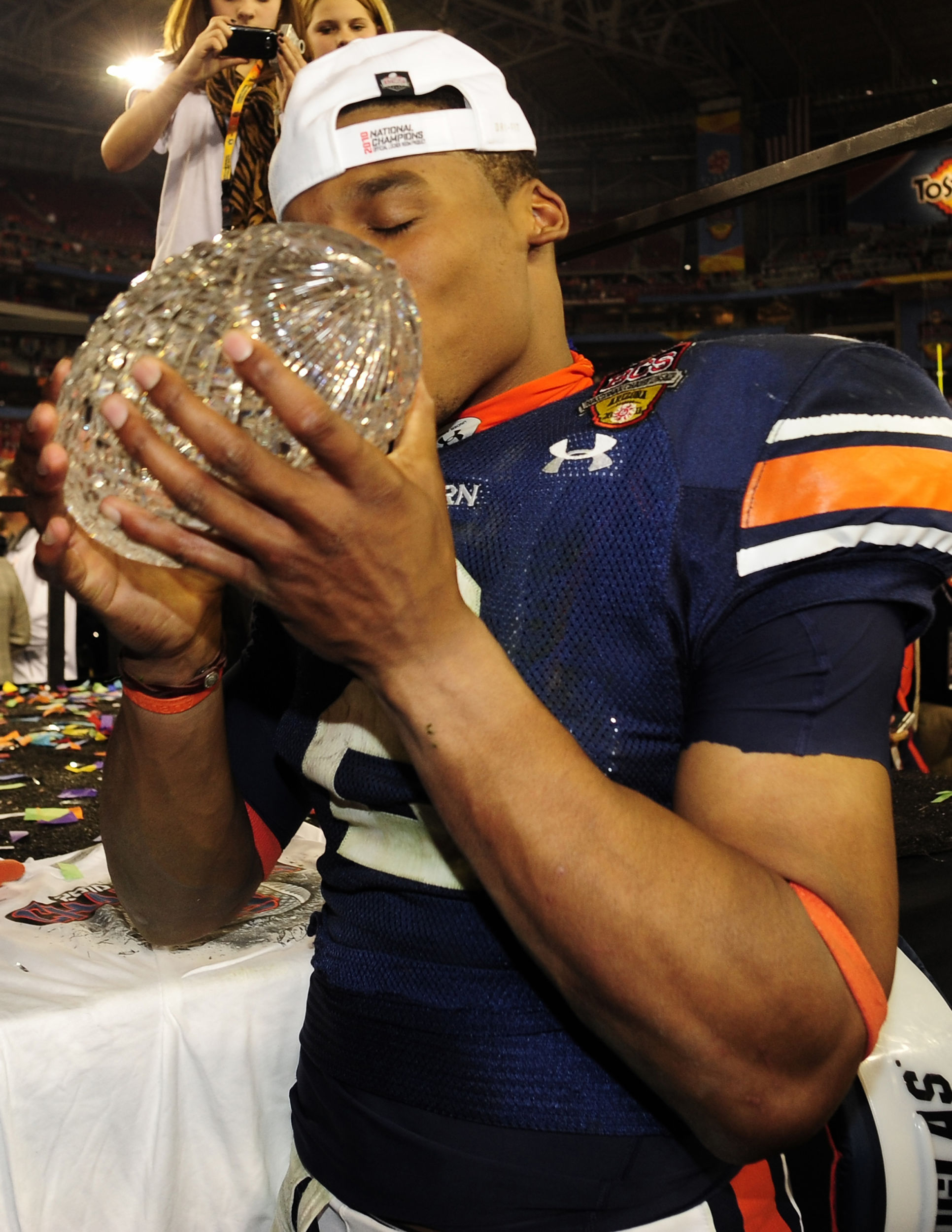
    Cam Newton was a National Champion and Heisman Trophy Winner at Auburn (coincidentally Stidham’s same alma matter), as well as a NFL MVP and 3x Pro Bowler with the Carolina Panthers. If healthy, Newton will be the most talented QB ever to wear a Patriots uniform. 
  4. True QB competition this offseason. Many people thought the Pats were going to draft a QB in the draft and yet they held tight. Many thought they were going to make a move earlier in free agency for a guy like Jameis Winston. Competition breeds success and having two legitimate QBs in the mix will make them both better.
  5. The Value was absolutely insane. Newton agreed to a one-year deal with a base of $1.05 mill, the minimum salary for a player with his amount of experience (9 years) in the league … and only half of that money is guaranteed. Now with all the incentives, Newton can earn an additional $5.75 million, creating a max value of the contract of $7.5 million. Low risk, high reward … it doesn’t get any better than that.

AB
Antonio Brown played in one game as a New England Patriot and cost them $9 million. Needless to say that was an investment did not pay the expected dividends. 

The Patriots have a history of bringing in controversial, yet talented players over the years . Some have worked (Corey Dillon, Aquib Talib, Randy Moss) and some haven’t (Chad “Ochocinco” Johnson, Adalius Thomas and most notably and most recently Antonio Brown).


It’s the most important position in all of sport. It has been the most dominant franchise in the history of sport. And now you have one of the most polarizing talents in the National Football League who has been handed the keys to replace the GOAT.

Breaking into the Sports Business Industry: A Note from my 30-Year-Old Self to my 20-Year-Old Self

Everyone loves sports.

Our culture is predicated around them for better or for worse. Sport has served as humanity’s greatest form of unwritten entertainment from it’s very beginning. And since then, sport has transcended humanity, snowballing into a captivating phenomenon over the centuries into what we know it to be today.

I am one of those people who became unequivocally enthralled by the power of sport from the very beginning. At 5, I was religiously reading the Sports Section of the Boston Globe. By 10, I was tapping my toes and fidgeting with my batting gloves in the Little League batter’s box emulating my favorite Boston Red Sox, Nomar Garciaparra.  When I was 15, my all-boys catholic prep school gave us the day off school so students could attend the parade and celebrate the New England Patriots winning their 2nd Super Bowl, which has now turned into 6 (and counting).  And at 20, I accepted a summer internship to work at Nike’s World Headquarters in Beaverton, OR … marking the day I officially transformed my passionate fandom into making it a career and launching my path into the sports business industry.

As a young, eager junior at Georgetown University, the sports business industry was something I dove into passionately, yet somewhat by chance. And now, after having just turned 30 this past year, it has caused me to think back on everything I’ve learned in my] career as a sports business professional. I will get approached from time to time by college students or recent college grads asking for advice about the industry … and so I figured I would reflect on a few things (many of which I failed miserably at and others that I did okay with) that I wish I could tell my 20 year old-self who had just accepted that first sports business internship.

Be Opportunistic. It may sound like a cliché, it may even sound blatantly obvious … but I believe it’s the single greatest factor that distinguishes people who succeed in this industry versus people who don’t. That first Nike internship I got was somewhat of an odd happening. I received an email from a Georgetown email domain that looked identical to the hundreds of other spam emails I receive … however for some reason I opened it.

Nike was a company that I resonated with from being an athlete … it was the company I chose when my dad told me I could pick any one stock to invest in as just a little kid (it turned out to be an ok pick). Needless to say, I followed through with the application process and sure enough became the one Georgetown student-athlete that Nike chose that year to be part of their Summer Internship Program. It was only until after I was out in Beaverton, OR that I realized how lucky I had gotten. Nike received about 10,000 applications for their Summer Internship Program that year and only 90 were selected (45 student-athletes from Nike sponsored universities and 45 “at-large” candidates).  After doing the math and realizing that was a 0.09% acceptance rate, my sense of opportunity heightened.

While I had been opportunistic to have secured that internship, I look back at that experience and realize I could’ve been more opportunistic in my time at Nike. While I was definitely doing some cool things like playing hoops with LeBron James and showing Manchester City around the Nike campus, I underestimated how valuable an opportunity that was to network and build more meaningful relationships with key people within the company. Several people in that intern class with me (many of whom I’m still friends with today) have advanced through the ranks at Nike over the last 10 years and are in various Senior Director roles, due in large part to the networking and relationship-building they did during the course of their two months on the Nike campus that summer.

nike-campus-1
Nike’s World Headquarters in Beaverton, OR. 

Never underestimate the power of your current situations (no matter what it might be) and take advantage of the resources you have at your disposal.


Be Patient. The sports industry is an interesting one given the discrepancy between earnings of athletes and everyone else in the industry. Manny Machado signs a $300 million deal yesterday in becoming the San Diego Padres newest shortstop and simultaneously you have an extremely competitive application process to get selected to be one of the San Diego Padres unpaid summer interns. Because its sports, people are willing to work for next to nothing to be in the industry. Consequentially, entry level salaries fall below many other industries.

When I had graduated from Georgetown in 2012 (after having gotten both my BA in English and my MS in Sports Management), I had a good majority of friends go straight into Finance. Meanwhile, I chose to head down to sunny (yet somewhat desolate) Bradenton, FL to work at IMG Academy … making a fraction of what my friends were making at any of the big banks or consulting firms.

IMGAcademy.jpg
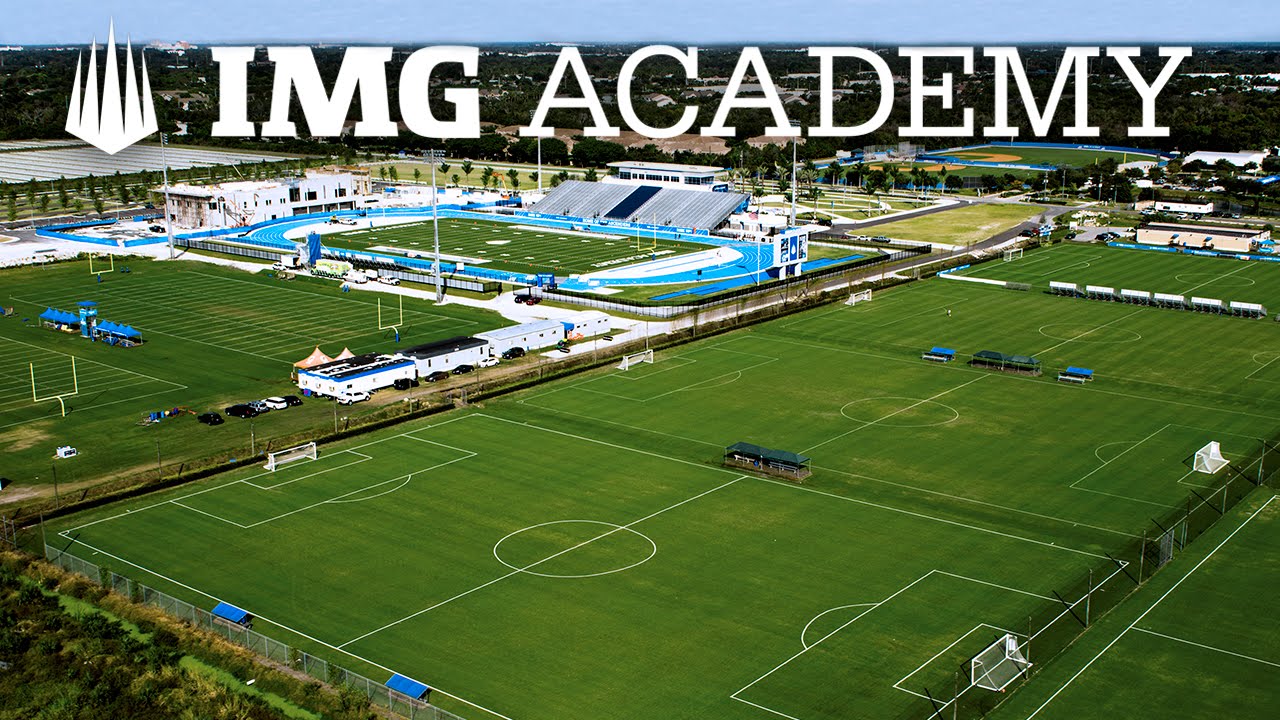
IMG Academy is one of the world’s biggest and most renown sports academies in Bradenton, FL. The campus is over 500 acreas, costs over $80,000/yr to attend and hosts many of the world’s top professional athletes throughout the course of the year. 

I occasionally had fleeting thoughts of whether I had made the right decision with my career, but my day-to-day work of being at one of the world’s best sports academies and largest global sports companies made it worth it.  And while that was certainly a humble beginning, I very quickly got promoted within 6 months from running the Academy’s Soccer camp/team business to overseeing their brand-new Lacrosse program. In growing the program from 15 Floridians to 50 boys from all over North America and becoming a nationally ranked lacrosse program, my experience at IMG Academy was incredibly rewarding.

The sports business industry is not a race, especially at the beginning given the nature of the industry. Find the right environment, with a path for growth and your patience will pay dividends sooner rather than later.


Find a Mentor. Most people want to help other people … it’s human nature. This is a concept that extends far beyond just the sports industry; however, it was something I didn’t fully grasp early on. I think I had a do-it-yourself mentality for much of my early career, perhaps due to my competitive nature of being a former athlete or perhaps simply due to lack of experience.

I would encourage all people new to the sports business industry to try to find one (or a few) people whose careers they regard highly and whose footsteps they want to follow. Get to know that person or people and build a relationship with them.

For me, these mentors I developed during my earlier years In the industry introduced me to key people, gave me advise on important career steps I was considering, and ultimately opened doors to more opportunity within the industry. Just like sales, people buy from people … and when a well-regarded person in the industry can endorse your own abilities and character, more doors will quickly open up.

Surround yourself with the right people and find the one or two you really connect with on a personal level, whose career path you identify with, and cultivate those relationships.


Put Yourself Out There. The sports and entertainment industry is perhaps more of a people industry than any other industry in business. And while yes, there are some technical-based jobs within sport, the very nature of the industry is predicated on people. The cliché holds true: “It’s who you know, not necessarily what you know.” People are often the commodity within sports business, whether it be an athlete you’re trying to sign, a sponsor you’re trying to land, or an audience you’re trying to market to.

CatapultWorkshop
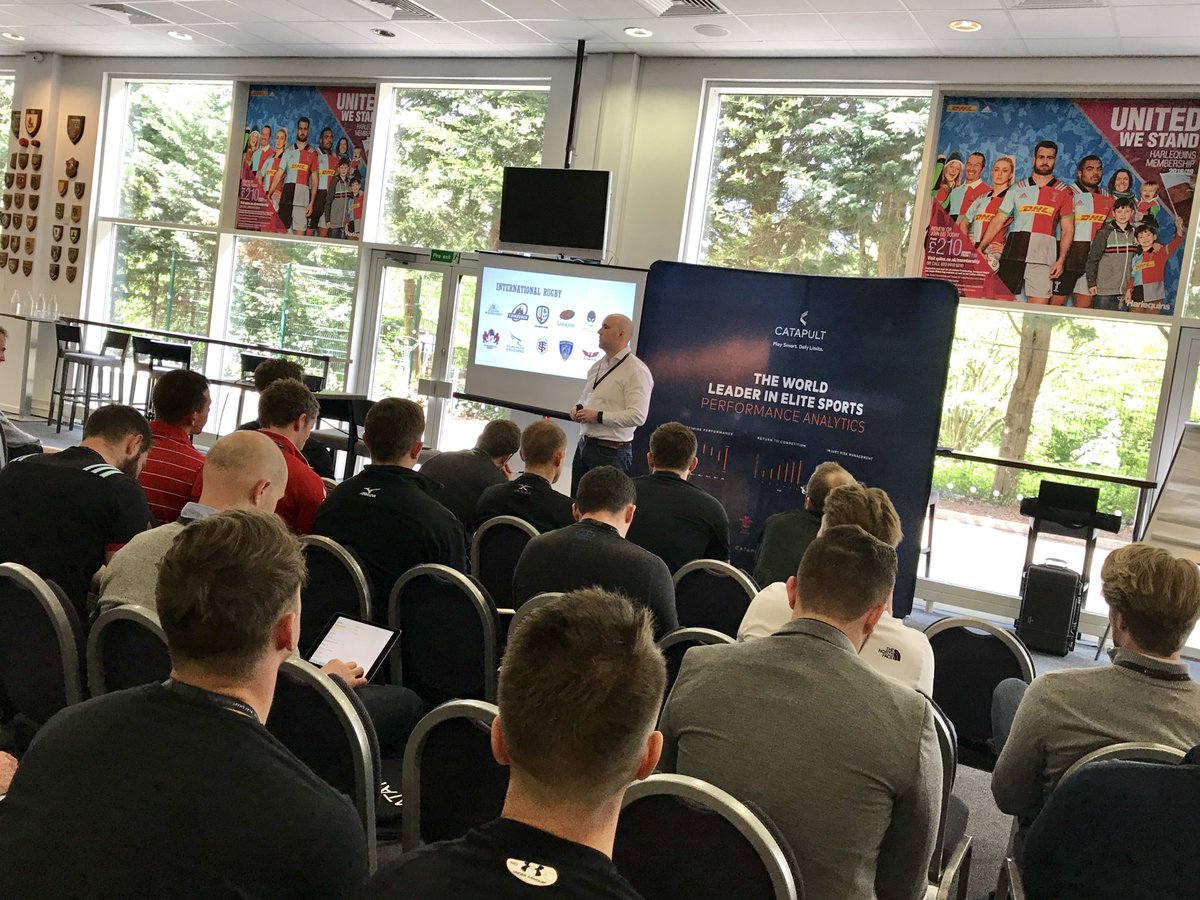
Catapult hosts workshops throughout the world for coaches and users to learn and better utilize their wearable technology. 

This has never been truer for me than in my most recent endeavor with Catapult Sports. When I transitioned over to the sports technology field about a year and a half ago, I had lots to learn quickly about the industry while simultaneously trying to hit my number and do my job as a Business Development Manager. Much of my time was spent early on attending conferences and conventions, meeting with the major players in the space (both externally and internally at Catapult). Sometimes it would mean staying up late and having a drink with an expert Catapult client/user after a long day at a convention, another time it might be listening to a panelist speaker at a workshop and being compelled to engage with that person in deep conversation afterwards.

You can’t be afraid to swing and miss … that’s part of being a professional. Roll up your sleeves, talk to people, go to conferences, and put yourself out there to not only listen but also to be heard.

Even Stevens

When Larry Bird won his 1st NBA championship with the Boston Celtics in 1981 at the beginning of the “Bird Era,” there was a young 5 year old boy in Zionsville, IN who was watching taped Indiana Hosiers basketball games before he would go to Kindergarten. That boy’s name was Brad Stevens.

Fast forward the clock 20 years, Stevens had just finished a college career at Division 3 school, DePauw University; a 4-year varsity letter-winner, 3-time Academic All-American, Team Captain, and recipient of the Coaches Award given to the most selfless, team-oriented player.

BradStevensDepauw
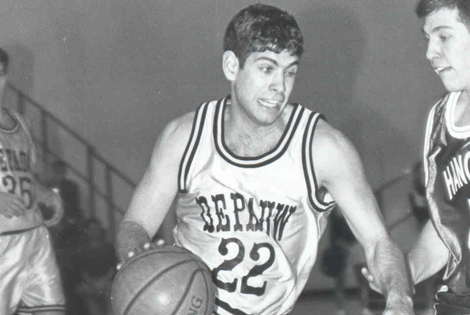
Stevens was the 6th man at Division 3 Depauw University, where he was given the Coaches’ Award his Senior Season, given to the team’s most team-oriented player. 

Stevens graduated with Honors from DePauw with a degree in Economics and an excellent job at the prestigious global health care company Eli Lilly.

Only a year into his first job out of college, the Indiana native realized something was missing … and that something was basketball. He quit his job and became a volunteer assistant in the Butler University basketball office. Butler quickly gave Stevens a low paying administrative basketball operations coordinator position. One year later, Stevens was promoted into a full time assistant role, where they would go 131-61 over the course of the next 5 years, before Stevens took over the Head Coaching job and became the second youngest Head Coach in Division 1 college basketball.

In his first season as a head coach, Stevens set a Butler school and Horizon League record, rattling off 30 wins, as Stevens was a finalist for the Jim Phelan National Coach of the Year award. His next year, despite losing 4 starters and projected to finish 5th in the Horizon League, the mid-major school went to the Big Dance once again, with Stevens being named Horizon League Coach of the Year and once again earning several finalist votes for National Coach of the Year.

In his third season as the Head Coach (2009-10 season), Stevens became the second youngest head coach to lead his team to a National Championship where they narrowly lost to Duke 61-59 on a narrowly missed half court heave from current Celtic Gordon Hayward.

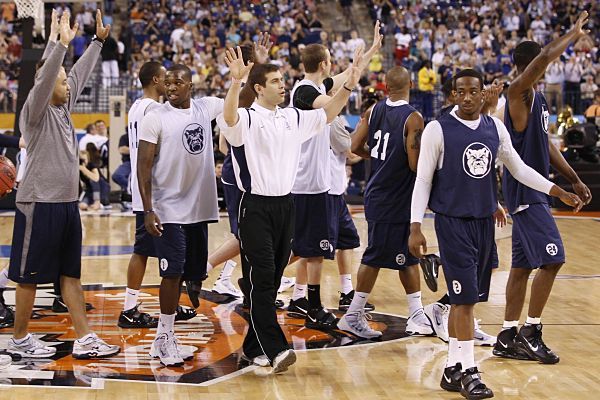
StevensButler
Stevens and the Butler Bulldogs went to two back to back National Championship games, being the only ever mid-major team to make back to back title game appearances. 

The very next year, Stevens somehow managed to bring the mid-major team all the way back to the National Championship, this time losing to UConn. Back to back national championships are unheard of in today’s college basketball world, let alone from a mid-major school.

Fast forward the clock to July 3, 2013 when Brad Stevens was signed on as Head Coach of the Boston Celtics. In his second season as Head Coach, Stevens led a rebuilding Celtics team to the Eastern Conference Playoffs as the 7th seed. One year later, the Celtics returned to the playoffs, this time finishing 5th in the Eastern Conference. And in 2016-17, Stevens brought the Celtics all the way to the top of the Eastern Conference, finishing 1st in the Eastern Conference.

This brings us to now … the 2017-18 season. With a team that had been steadily building to contend to bring Boston it’s 18th banner. 6 minutes into the season, the team lost their 2nd best player in Gordon Hayward; followed only a few months later losing their best player in Kyrie Irving. The team has been inundated with extended injuries to key players like Jaylen Brown, Marcus Smart and Marcus Morris.  And yet it appears Stevens has pressed every right button through the course of what was an extremely challenging season in regards to injuries.

This Celtics team won eight games in which they trailed by 15 points, the third-highest single-season total since 1996. This team has seen the emergence of former role players like Terry Rozier and Jaylen Brown along with the emergence of Jayson Tatum to produce the Eastern Conference’s 2nd best regular season record.

Terry Rozier, Jaylen Brown
Stevens has pulled all the right strings on an unlikely group led by the emergence of players like “Scary Terry” Rozier (12) and Jaylen Brown. 

How? Stevens’ believes all his players on his roster can fit into their sets and run the offense. His belief in Rozier and even Larkin to run the point has been well documented. When Hayward went down, Tatum became the starter in his “Next Man Up” philosophy.

Stevens actions on the sidelines are cool and collected, earning him the nickname “Even Stevens.” He analyzes the game and watches intently from the sideline. Make no mistake about it, Stevens gets animated about bad calls occasionally, but picks those spots wisely. His composure has seemingly carried over to his teams’ resiliency in coming back this year.

Nurturing such a strong culture while returning only 4 players from last year’s team is an enormous challenge. It starts with Danny Ainge drafting tough players (Jaylen Brown, Marcus Smart, Terry Rozier, Jayson Tatum). Ainge picks the players but Brad Stevens is the arbiter of playing time. His stoic demeanor and play-calling genius is what he is known for, but make no mistake about it, Stevens is an all school hard-ass … if you don’t play hard, you come out.

Tatum
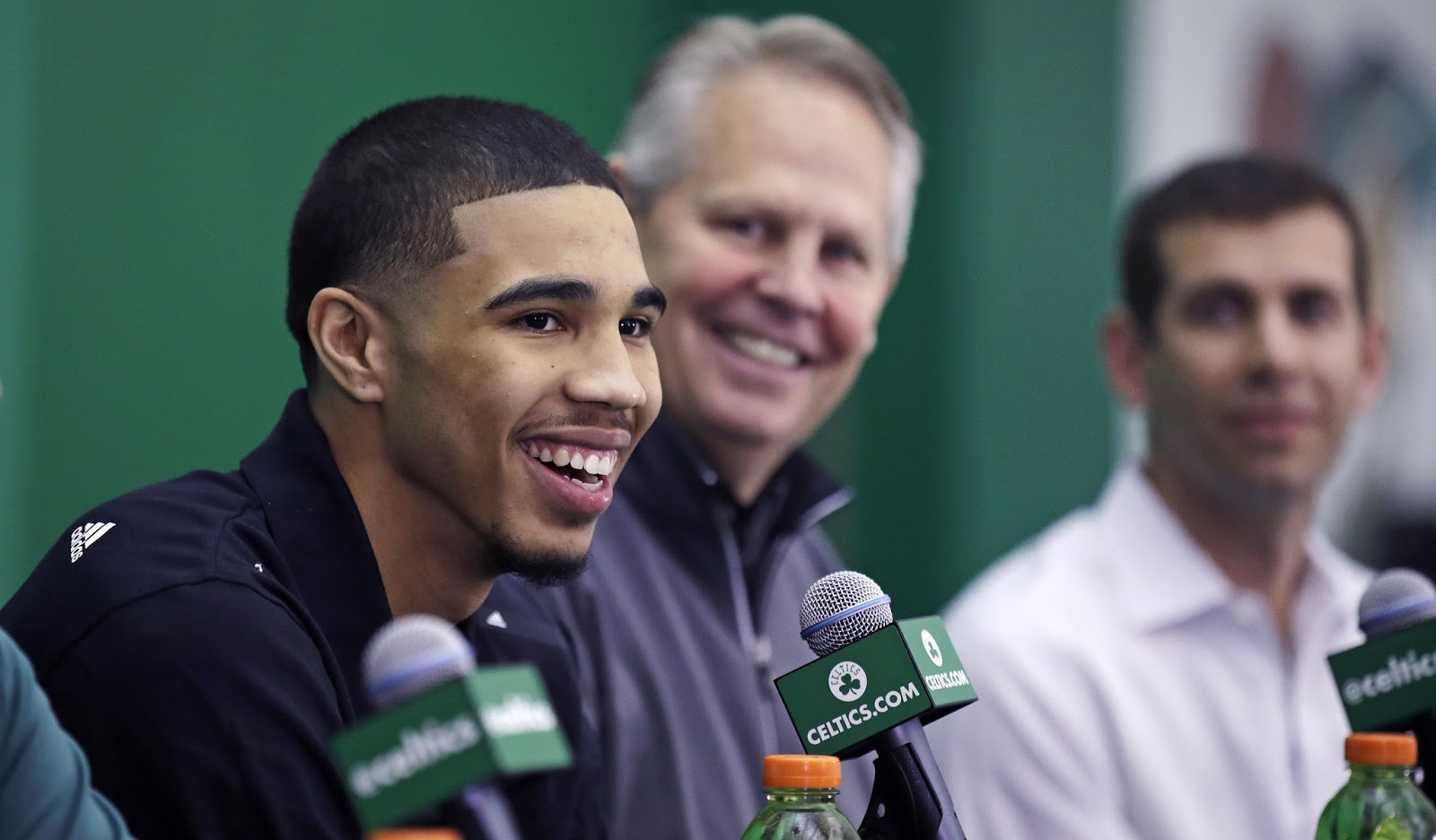
Danny Ainge (middle), deserves equal praise to Stevens as he has become one of the League’s most respected GM’s. This year he traded out of the #1 spot to take Duke’s Jayson Tatum at the #3 spot while picking up a 2019 1st round draft pick. Tatum has vastly outperformed both Markelle Fultz and Lonzo Ball, who were taken before him in this year’s draft. 

The players still feel Stevens is with them, even as he holds them and himself to almost impossible standards, which is an almost impossible balance to strike. Stevens, Ainge and the veteran players have created a culture of serious, consistent tough work. Toughness and mental strength without talent don’t get you very far in the world’s best league, but when you combine all of them you get a team that punches above their weight. Boston just makes fewer mistakes than any rival. It starts on the defensive end, they are ultra switchable on defense, always moving on a string. Their greatness on defense lies in the absence of spatial mistakes. A team this big and this attuned can close windows faster than anyone else. They show a similar composure in tense moments; game 7 against the Bucks, 3 close games against the 76ers, culminating in an almost perfect final 90 seconds to close out Game 5.

Brad Stevens didn’t receive a single vote for this year National Basketball Coaches Association trophy, which was awarded to Toronto’s Dwane Casey (who has since been fired after getting swept by the Cavaliers last round). When the Red Auerbach Trophy as the NBA’s Coach of the Year award is announced next month, expect Stevens to be at the top of the list.

Stevens’ ability behind the helm has started to draw comparisons to that other coach in Boston, Bill Belichick. And while the red-hot Lebron and the Cavs seem to pose a formidable challenge in the upcoming Eastern Conference Finals, don’t bet against Stevens and the C’s.

It’s not always the size of the dog in the fight, but the size of fight in the dog.

The Stars Are Aligning in Boston

6 minutes into the 2017-18 season, it seemed like all was lost. Danny Ainge’s master plan of stock piling assets since the departure of Pierce, KG and Allen, to assemble Boston’s next big three was gone, or at least temporarily put on hold until next season.

Hayward Injury
Just like that, 6 minutes into the 2017-18 season, the Big Three became the Big Two in Boston when Gordon Hayward gruesomely fractured his ankle. 

The C’s $127 million dollar man, Gordon Hayward, was done for the season after his lower left leg gruesomely snapped on national television in one of the league’s more anticipated season openers in recent history. And with the injury, it seemed like the Celtics would likely have to wait another year to seriously contend for an NBA Championship.

Not so fast.

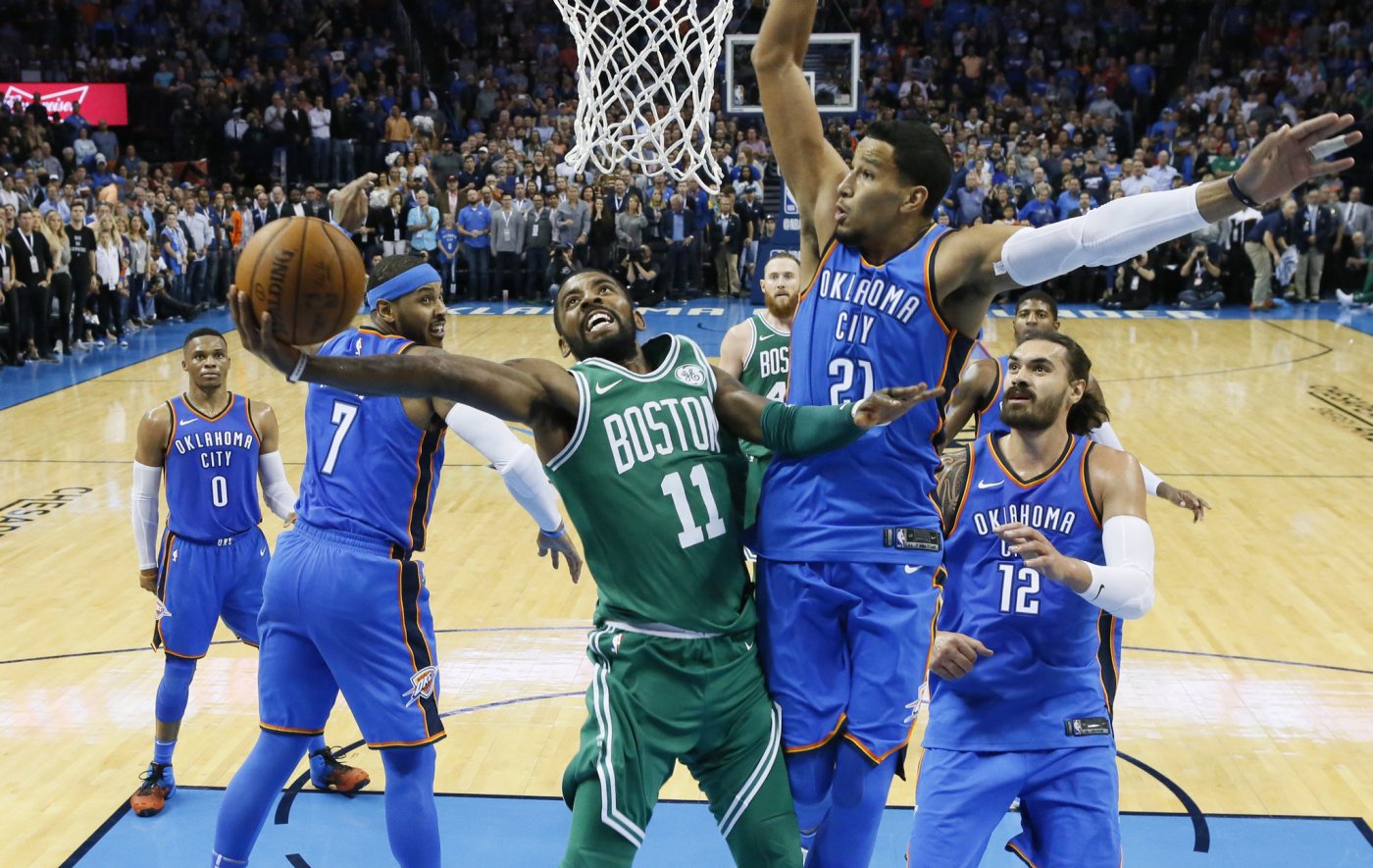
Fast forward to today, and the Celtics have the best record in the NBA at 7-2. They’re the first team in NBA history who have started out a season 0-2 and then have gone on to win their next seven games. After being down 18 points on the road last night against what many believe to be the best “big three” in basketball in Oklahoma City’s Westbrook, George and Anthony, the C’s came back to win by 7 … and in many ways, legitimized their current 7-game winning streak. They are the first Boston Celtics team, since 1950 to keep opponents under 95 points for 7 consecutive games.

Big3
(Left to Right) Gordon Hayward, Al Horford, and Kyrie Irving were supposed to be Boston’s first Big 3 since KG, Paul Pierce and Ray Allen.

Kyrie Irving and Al Horford look like they’ve been playing together for years. Jayson Tatum is the early season favorite to win the Rookie of the Year. Jaylen Brown is playing like the break-out all-star all in Boston had hoped, averaging 16 ppg and 7 rpg. Aron Baynes and Daniel Theis have emerged from nowhere, to be significant contributors. Marcus Smart and Terry Rozier are playing better basketball than they ever have and are providing depth in the backcourt. They just got back Marcus Morris back for the first time this season last night. And the man behind the curtain, Brad Stevens, seems to be pulling all the right strings at the right time.

JaylenJayson
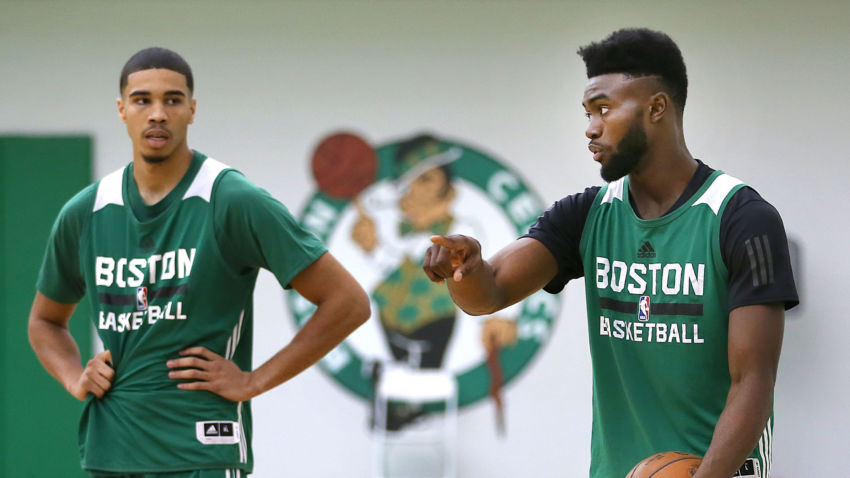
Jayson Tatum (left) has been playing like the front-runner to win Rookie of the Year in Hayward’s absence, and Jaylen Brown (right) has been playing like an All-Star through the first 9 games. 

Sport, in general, has a funny way of providing unscripted entertainment. Needless to say, no one in Boston could’ve predicted Gordon Hayward’s season ending injury 6 minutes into the season. Nor, could anyone have predicted the Celtics having the best record in the NBA 9 games following that injury. Despite only having 4 members of last year’s Celtics team return this year and a lot of new faces, there is an undeniable chemistry thus far with this group. In many ways, it seems as though the Hayward injury has brought the group closer.


Kyrie wanted to be the man … and he has been exactly that through this 7 game winning streak. His play combined with the fact that Isaiah hasn’t played a minute with the sub 500 Cavs, makes Ainge and the Celtics look like the clear early winners of the Kyrie/Isaiah trade. And also, a realistic shot of winning the Eastern Conference.

In trading down from the #1 overall pick to #3, Ainge made a very ballsy decision, betting what might eventually be his legacy as the Celtics President of Basketball Operations. Ainge felt like Duke’s Jayson Tatum, who they picked at #3, was the best player in the draft and realized they could still get him at #3. In sliding down two spots, Boston also received an additional future draft pick; either the Lakers 2018 draft pick (if it falls between 2-5) or Phialadelphia’s or Sacramento’s 2019 first round pick, whichever is higher.


And so far, Ainge has been right.

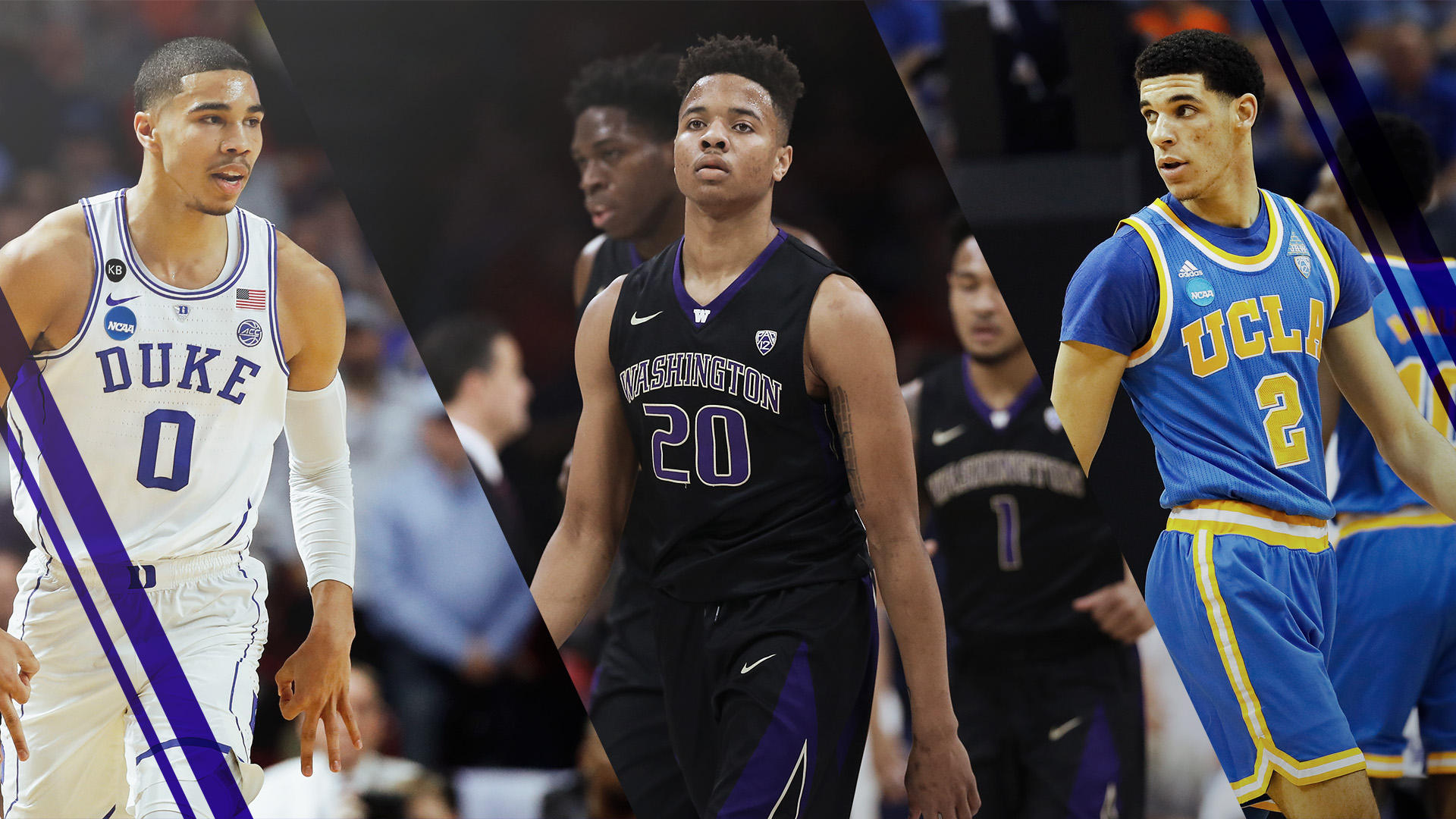
The #1 pick, Markelle Fultz went to the Philadelphia, and has injured his shoulder almost immediately into the season and is out indefinitely, joining Ben Simmons and Joel Embid as heralded Sixers draft picks who have missed significant time during their rookie seasons due to injury. Lonzo Ball, taken at #2 by the LA Lakers, has received lots of early season criticism and is averaging only 8.8 ppg. Meanwhile, Jayson Tatum has found himself in Boston’s starting 5 earlier than expected with Hayward’s absence and is averaging 13.7 ppg and 6.6 rpg, and is the early season favorite to win Rookie of the Year.

Top3Picks
There was disagreement amongst Boston, Philadelphia, and Los Angeles’ front offices as to the order of these three players (left to right: Jayson Tatum, Markelle Fultz, and Lonzo Ball) in the 2017 draft class. 

With the 6th youngest roster in the NBA with an average age of 24.5, the Celtics are widely believed to have one of brighter, if not the brightest, future amongst NBA franchises. And while Hayward’s injury caused initial doubts about this season, it seems to have brought this team closer and provided opportunities for others, namely Jayson Tatum, to shine.

It might be early, but it seems as though the stars are aligning in Boston.

Show Me The Money

When the infamous words “Show me the money!” in Tom Cruise’s blockbuster movie Jerry Maguire came out in 1996, Hollywood brought attention to the world of sports and entertainment agency. Since Cruise’s classic, Hollywood has highlighted the glitz and glam associated with that world – the big egos, flashy athletes and everything in between. America has seen Ari Gold in the HBO tv series, Entourage and most recently, Dwayne “the Rock” Johnson in HBO’s comedy-drama series, Ballers.

Screen Shot 2017-10-26 at 7.22.07 PM
Tom Cruise (Jerry Maguire), Jeremy Piven as Ari Gold (Entourage) and Dwayne Johnson (Ballers), all portray the hustle behind the glitz and glam of sports agency. 


It sounds fun, doesn’t it? Scouting and identifying talent, working with professional athletes, and getting paid millions of dollars in commissions on big 7-figure contracts … who wouldn’t want to do it? Oh and you don’t necessarily have to have a JD, MBA or PHD from a top 10 school to be qualified to do it … if you have the rolodex of contacts, the savviness to build those relationships, and fortitude to build a reputation of trust, and maybe a little luck, you’re right there.

So let’s cross from Hollywood into what the sports agency landscape looks like in reality today.

To a large extent, Hollywood is not far from the truth. The spots agency business is booming. Media right deals, salary caps and the size of professional athletes’ contacts are bigger than ever. In Forbes’ 2017  ranking of the “World’s Most Valuable Sports Agencies,” the firms featured have negotiated a collective $43 billion in current professional athlete contracts, netting over $2.1 billion in commissions, nearly a 10% increase from 2016.

CAA
CAA, the number one sports agency in the world, lands 5 out of the 20 most successful individual sports agents. 

There is one agency that is head and shoulders above the rest. Creative Artists Agency (CAA). Their total in contracts managed is larger than the next three top agencies combined at $8.5 billion (equating to $318 million in commissions). CAA leads the way in football and hockey, and is only second behind to Excel Sports Management in basketball. CAA has 5 of the top 20 compensated sports agents:

  • #9, Pat Brisson – Hockey – $44.05m in commissions
  • #11 Tom Condon – Football – $42.17m in commissions
  • #16 Nez Balelo – Baseball – $28.92m in commissions
  • #17J.P. Barry – Hockey – $28.75m in commissions
  • #18 Todd France – Football – $27.95m in commissions

*Scott Boras (with Boras Corp) ranks #1, earning $108.33M in commissions via baseball.

ScottBoras
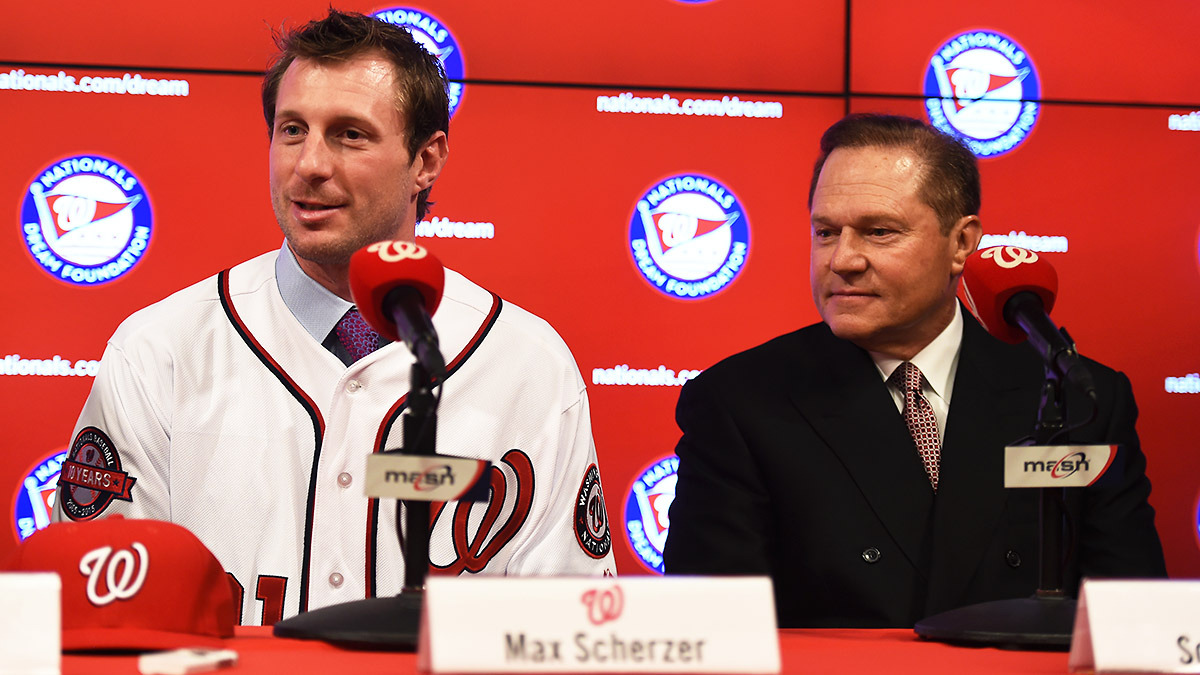
The world’s most lucrative sports agent, Scott Boras (right), sitting side by side his client Max Scherzer. Boras negotiated Scherzer’s 7 year $210 million contract. 

CAA’s biggest contracts include Matthew Stafford’s 5 year $135 million deal with the Detroit Lions, Robinson Cano’s $240 million deal with the Seattle Mariners, and Patrick Kane’s 8 year, $84 million deal with the Chicago Blackhawks.

Right behind CAA is Jeff Schwartz’s Excel Sports Management who may be the quickest growing sports agency company, acquiring an increase of over $300 million in contracts last year. Managing a roster of over 60 NBA players, including Blake Griffin, Kevin Love, and Andre Drummond, Excel has dominated the basketball space.


Behind Excel, is LA based, Wasserman, with about $2.7 billion in contracts. Wasserman recently acquired European soccer agency Mondial Partners, which makes them  the No. 1 ranked agency in soccer combined with its domestic soccer division.

Rounding out the top 5 is Independent Sports & Entertainment at No. 4 and Octagon at No. 5.

The sports agency business has traditionally had several barriers to entry. In fact, the top 5 conglomerated sports agencies in the world represent over one third of all professional athletes. While the top 40 agencies representing 3,6000 clients, this equates to about 60% of pro athletes in the top 4 US sports leagues (NFL, MLB, NHL, and NBA).

Today, a 24 and a 25 year-old out of New York City are dispelling that stigma. Two years ago, Andrew Hoenig and Daniel Hazan became the youngest agents with a player on a NBA roster with the New York City Knicks Jameel Artis. Today they have 20 clients and have negotiated 11 contracts. Neither of them were certified agents when they started, nor did they have many contacts, so they networked organically by adding athletes on Facebook while taking them to D-League open tryouts, paying for their travel and they learned the business instantaneously on their own. And while they still consistently loose guys they recruited (many of times starting at the beginning of an athletes’ 4 year high school career) to the big agencies like CAA, Excel and Wasserman who come in at the last minute and scoop up the highly talented.

Hazan and Hoenig are trying to develop their own niche specifically within the NBA. They are starting to get guys after they leave Wasserman, or CAA, who want more personal attention. For Artis, it was exactly that, “With me, it’s not about the age of the agent, not about how many people you are representing … They were all focused on me. They were all about Jame Artis getting in the right position.”

AHoenigDHazan.jpg
Andrew Hoenis (left) and Daniel Hazan (right) negotiated their first contract wiht the Knicks for client Jamel Artis (center). 

While the vast majority of agents’ income is made through commissions on their clients’ contracts, the other component to it is marketing and endorsement. Hazan owns his own marketing company called New Generation Management which promotes events and products for Jonathan Simmons, JR Smith and Charles Oakley. Agents typically earn 20-25% from marketing and endorsement contracts. Typically, however, these endorsement earnings just make up 1-2% of their overall player contract.

Needless to say, the sports agency landscape is an interesting one … filled with big egos and lots of money. Whether you’re a young entrepreneur, a seasoned sports marketer, or even an ex-professional athlete, there is opportunity.


Soccer’s First American Superstar

I get asked every once in a while, “who is the best soccer player you’ve ever played against?” Having played Division 1 soccer at Georgetown for five years, semi-professionally with DC United U23’s as well as stints on trial with DC United and the Tampa Bay Rowdies, I’ve certainly played against several elite players. I’ve played against Herman Trophy winners Joseph Lapira and O’Brien White, International heroes like Andre Blake and Jaime Moreno, and MLS all-stars like Charlie Davies and Dwayne De Desario. The answer, however, is clear as day … that is, 19-year-old Christian Pulisic.

SlingMorenoHeader
Myself and Jaime Moreno (MLS’ All-Time Leading Goal Scorer) challenging for a header

At the time I played Pulisic, he was merely 15 years old … and needless to say it was a humbling experience. He was playing with the U17 US Men’s National Team down at IMG Academy in Bradenton, FL against my amateur men’s team, the St Petersburg Kickers, a perennial men’s amateur powerhouse and national champion contender. Despite our Kickers team being made up of ex D1 college guys and ex pro’s in their “prime” (20’s and early 30’s), we lost to Pulisic and their group of 15 and 16’s year olds by a score of 4-1, with Pulisic leading the way with a few goals to his credit.


As difficult a score-line that is for me to admit; at the time, I’m not sure I would have readily said that the little 15-year-old center midfielder was the best player I had ever played against. He wasn’t running by anyone or muscling people off the ball (given his age and physical maturation), but his technique, vision and ball control were unquestionably the best on the pitch (despite being half the age of many).  And with a hat-trick and an assist in the stat sheet, he was clearly the man of the match.

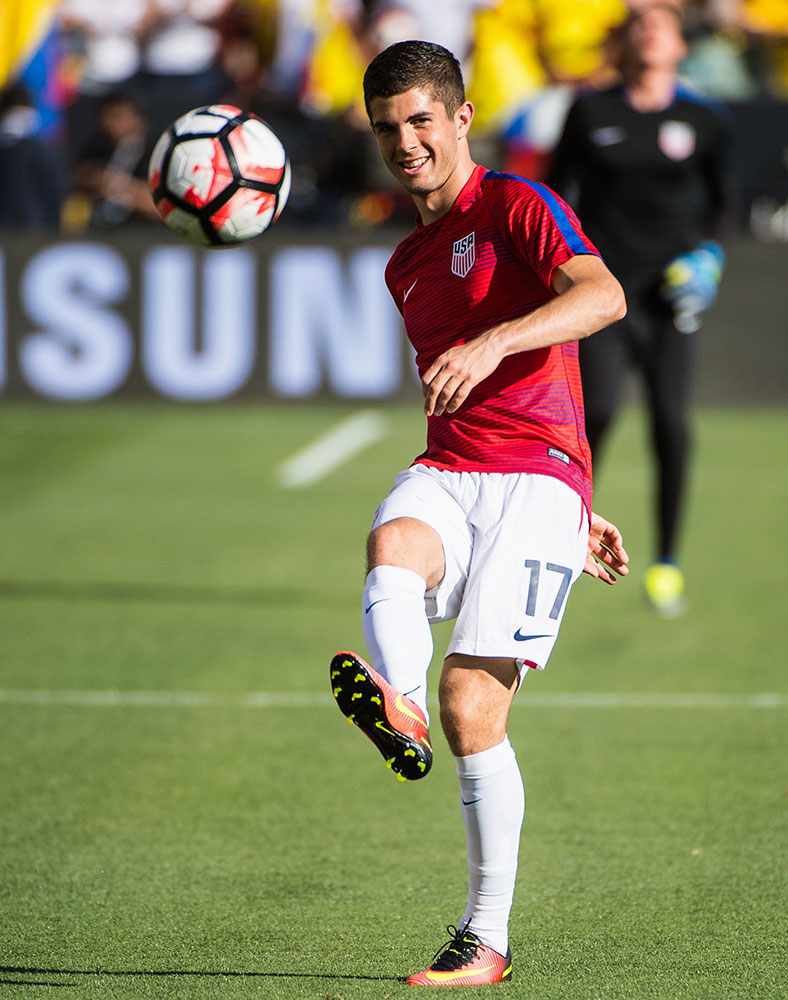
United States v Colombia: Group A - Copa America Centenario
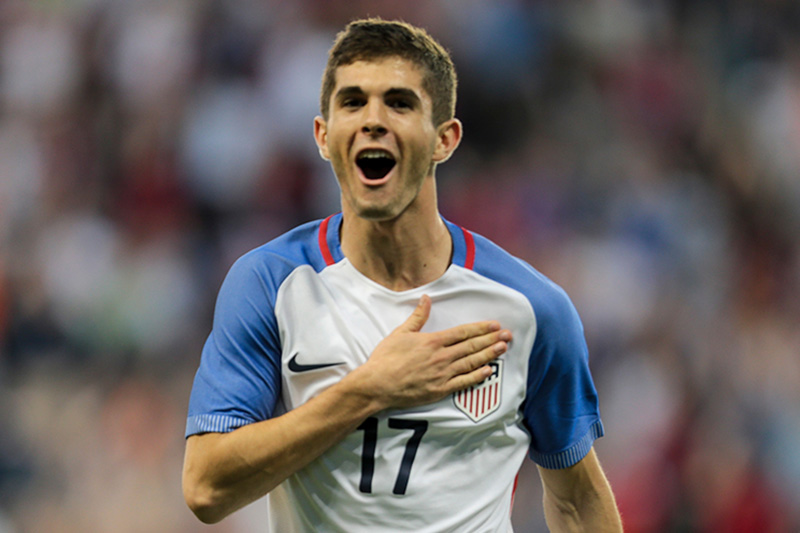
Christian Pulisic played on both the U15 and U17 US Youth National Teams while training down at IMG Academy in Bradenton, FL. 

Fast forward to today, about four years later. Before having turned 19 years old (which he did on September 18th), Pulisic has had 9 goals in 60 club games (regular starter for Borussia Dortmund in Germany’s 1st Division) and has 7 international goals in 18 games to his name for the US National Team. In comparison, before Lionel Messi turned 19, he had a similar 9 club goals in 34 club games but only 2 international goals in 9 international games. Nor was Christiano Ronaldo as dominant as Pulisic at that age, with only 6 club goals in 53 club games before the age of 19 and 0 international games to his credit.


Featured on CBS’s national “60 Minutes” last Sunday night, Pulisic has already become a celebrity and the face of American soccer. In fact, US Men’s National Coach, Bruce Arena, calls him soccer’s “first American superstar.” Despite the lofty words, it’s hard to argue. Earning $8 million a year with one of Germany’s top clubs, performing better than any other US National Team member at the moment, and having just turned 19 two weeks ago, I tend to agree with Coach Arena’s proclamation as the first American soccer superstar.

Screen Shot 2017-10-05 at 12.16.38 AM

Why is he different? What has allowed Pulisic to stand out this much in a country that is continuously ridiculed across the world for their lack of homegrown soccer talent. Before we talk about the play, I think it’s actually more important to understand the environment he has been put in (as well as removed from) to allow him to grow and mature as a player.


  1. US National Team Early – Pulisic started playing with the US Youth National Teams at the age of 14 where he played with both the U15 and U17 teams. He was a captain of the U17 team and scored 20 goals in 34 games through his 2-year cycle with them. This exposure at international events like the 2015 U17 World Cup in Chile where he had a goal and an assist put him on the radar for top international clubs and paved the way for him to Dortmund.
  2. No College Soccer – Despite both his parents playing collegiate soccer at George Mason, Pulisic did not go that route. While collegiate soccer is a great route for most (myself included), for the top 1-2% players in this country who will go on to play professionally and internationally, the game is oversaturated with under-talented players. For the most part, collegiate soccer promotes a direct, physical style of play that severely hinders the development of the more technical and skillful players and stunts their overall growth.
  3. Overseas – As much as the MLS has grown over the course of its 20+ year existence, the best soccer is still played overseas in Europe. Yes this is changing, but the reality is there is a reason why more people in this country choose to watch the EPL over the MLS … the quality.


As much of a team game that soccer is (more than any of the top 4 American sports – baseball, football, hockey and basketball), the importance of the playing environment a youth player acclimates too, is exponentially magnified.

PulisicLowCenterOfGravity
Pulisic’s combination of low center of gravity and speed allows him to dribble at a level that Americans ever never witnessed at his age. 

In looking at Pulisic’s actual game, there are really three attributes that he possesses that have allowed him to transcend the rest of the talent pool in the United States. And quite frankly, after Pulisic, should be weighted heavier when evaluating youth talent in this country. The first is God-given, and that is the combination of his low center of gravity (5’8’’) and speed. This allows him to dribble the ball more aggressively and effectively at defenders than any other player we’ve ever seen in this country at his age. Second … his technique. This may be his greatest asset. His touch, two-footedness, and range of pass, are the things that are immediately apparent when watching him play. His last attribute is largely environment-driven, and that is, his decision-making and vision. Pulisic plays as though he’s been playing at the international level for years (which he has, just not for very long with the US Men’s National Team). His 7 goals in 18 international games speak to his composure on and off the ball, ball speed, and decision making in the attacking third at the game’s highest level.


Hyping youth talent seems to have become a sports media cliché in the modern era. But numbers don’t lie … this kid has been better than the best in the game were at his age. And on Friday night, the United States plays in their most important game since their 2014 World Cup elimination game against Belgium, when they take on Panama in a World Cup Qualifier in Orlando, FL. The United States currently sit at fourth in World Cup Qualifying while Panama sits at third, with only the top 3 advancing to the 2018 World Cup. A win secures the US greater than a 90% chance of qualifying, while a loss would dramatically decrease their chances to 44%.

SPI Chance to Qualify


We’re at an incredibly pivotal time for the game of soccer in this country and the US National Team. We’re at an equally pivotal time in Christian Pulisic’s career, as he attempts to qualify for his first ever World Cup.


The country will be watching on Friday night.

In Danny, We Trust

Three months after meeting in the Eastern Conference Finals, the Cavs and Celtics completed an unprecedented swap of All-Star Guards, sending Kyrie Irving to Boston and Isaiah Thomas to Cleveland. And while the Boston faithful had been asking General Manager Danny Ainge to pull the trigger on a deal for quite some time with the accumulated assets the franchise had, the blockbuster trade received some mix reviews. But in looking at Ainge’s track record and fully dissecting the deal itself, I firmly believe Danny and the C’s franchise have just struck gold … once again.

Let’s look at Danny Ainge. In a ranking of the NBA’s top General Managers and Presidents, ESPN gave Ainge a score of 8.54 out of 10 – third best only behind the Spurs’ President and GM combo of Gregg Popovich and R.C. Buford and Golden State Warriors GM Bob Myers. Ainge is best known for landing Kevin Garnett and Ray Allen in the summer of 2007, essentially building a championship team overnight and paving the way for their 17th NBA Championship. Most recently, he assembled a treasure cove of draft picks in the Brooklyn Nets 2013 trade, sending Kevin Garnett, Paul Pierce, Jason Terry and D.J. White to the Nets in exchange for Gerald Wallace, Kris Humphries, MarShon Brooks, Keith Bogans and their unprotected first-round draft picks in 2014, 2016 and 2018. Ainge proceeded to slowly rebuild the Celtics into a contender through a series of shrewd deals, most notably adding Jae Crowder in December 2014 and Isaiah Thomas in February 2015. Fast forward to the 2016-2017 season, and the Celtics finished first in the regular season Eastern Conference and held the first overall pick entering the 2017 NBA Draft.

Ainge-Stevens
Danny Ainge and Brad Stevens are rated by ESPN as the 3rd best GM and Head Coach in the NBA respectfully. While Ainge has been a mastermind in maneuvering the Celtics’ roster, Stevens has proven that he can take whatever personnel in front of him and deliver results. 

Danny has held the keys to the Ferrari for a little while now. He had built a top 5 team in the NBA on the floor while behind the scenes maneuvering his roster to build enough cap room to sign 1-2 big free agents and masterfully stockpiling enough draft picks to single handedly draft an NBA All-Rookie team. Now the 2017-2018 Celtics team features 10 new faces and only 4 returners, with many projecting a starting line-up of Irving, Hayward, Brown, Morris and Horford.

Screen Shot 2017-09-08 at 6.26.25 PM.png

With a top 10 (arguably top 5) NBA player in Kyrie Irving, another versatile All-Star in Hayward, 2 above-average bigs in Horford and Morris who both averaged above 14 ppg last year, two of the best youth talents in the game with Jaylen Brown and Jayson Tatum, and a deep backcourt with Rozier and Smart backing up Brown and Irving, this team in most people’s opinion is an improvement from last year’s group.

While the odds didn’t change who the favorite is to win the East in 2018 (Cavs 4/1 and Celtics 10/1), the trade made sense for the Celtics on almost every level.

First, the Celtics needed a super-star … and they got one in Kyrie Irving. While Kyrie’s and Isaiah’s number were very similar last year (Kyrie – 25.2 ppg, 5.3 apg, 2.8 rpg / Isaiah – 28.9 ppg, 5.9 apg, 2.3 rpg), Kyrie was doing that with the NBA’s best player beside him taking the majority of shots. In the NBA Finals and much of the playoffs, many felt Kyrie Irving outperformed Lebron James.  3 years younger than Thomas, Irving has already been named the Rookie of the Year, an All-Star 4 separate times (including winning an All-Star Game MVP) and winning the most important accolade of them all, an NBA Championship.

Second, Isaiah has plateaued. While Isaiah surprised a lot of people averaging 29 ppg, he was more of a source of entertainment than a legitimate centerpiece to help a team win a NBA championship. Don’t get me wrong Isaiah will be forever remembered in Boston for his contagious smile and courageous swagger. He went from being the last pick in the NBA draft to a name that was uttered in MVP conversations. Having said all that, Isaiah was a huge liability on the defensive side of the ball, and is considered one of the weakest defensive point guards in the NBA. Moreover, we have likely seen the best of Isaiah Thomas due to his season ending torn labrum injury that has been the source of a lot of discussion. In fact Isaiah’s injury almost killed the deal as it has been rumored that he is suffering from arthritis and loss of cartilage that it will impact the rest of his career.

Isaiahkyrie
IT captured Celtics fans’ hearts and earned the nickname “King of the Fourth.” Injured and having come off his best season ever, Isaiah found the fortune of his own fate as Danny Ainge capitalized at the perfect time to replace him with the league’s best one-on-one scorer and the C’s long awaited superstar in Kyrie Irving.

And lastly, what about the rest of the deal? The Celtics had to give up Jae Crowder, Ante Zizic, their 2018 Nets Pick and their 2020 Miami Heat 2nd round pick. Jae Crowder’s value immediately went down when the Celtics traded for Marcus Morris from the Detroit Pistons in exchange for Avery Bradley. Morris’ numbers were actually better than Crowder’s in 2017, and possesses a very similar type of physical game that compliments Horford’s finesse game well down low. Zizic is an unproven 7 footer commodity, who is at least 2 years away from making any sort of potential impact. And lastly, the draft picks. While the 2018 Nets pick is nice, the Celtics also have the Lakers’ 2018 pick, Memphis’ 2019 pick and the Clippers’ 2020 pick tucked away.

Most would argue that Danny is not done. This team currently assembled cannot beat the Warriors in the NBA Championship and may struggle with the Cavs in the Eastern Conference Finals. However, given the future picks and the available potential cap room, many believe bringing in a Kristas Porzingis from the New York Knicks or an Anthony Davis from the New Orleans Pelicans would be the final piece of the puzzle to make the 18th banner a legitimate possibility.

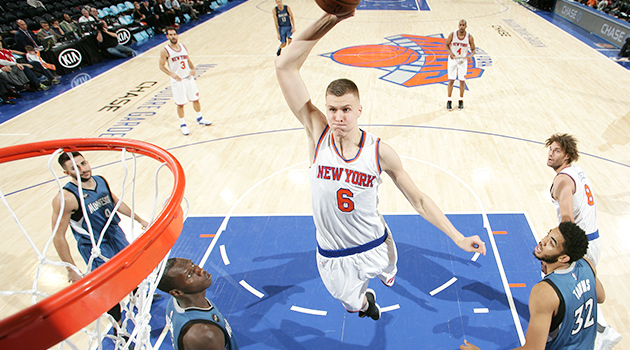
Porzingis, at over 7 feet tall and only 22 years of age, may fit the best. He is a phenomenal interior defender, efficient rebounder and can shoot the ball from beyond the arch.

KP1
Kristaps Porzingis is a 22 year old Latvian forward who can shoot, defend and rebound. 

Meanwhile, Davis can do everything that Porzingis can do, but better. The 24 year old former Kentucky star averaged 28.0 PPG, 11.8 RPG, 2.1 APG, while shooting 50.5% from the field last year. This deal, if it were to happen, would likely come after the All Star break after the Cousins – Davis combo is given a little more time to develop and prove itself (although this experiment has not gone exactly as planned). Moreover, the Celtics would likely have to give up Horford, either Tatum or Brown and their 2018 Lakers pick which is certainly quite a bit. The last potential option that has made it’s run through the trade-mill is Marc Gasol of the Memphis Grizzlies.

AD1
Anthony Davis is a human highlight reel, averaging a double-double last year with 28 ppg and 12 rbg. 

While Gasol is an aging 32 year old Center, and is owed an average of $22.6 million through 2020, the proven veteran (3x All-Star, 2x All-NBA selection, 2012-13 Defensive Player of the Year) is coming off career highs of 19.5 ppg and 4.6 assists. The Gasol deal would also make the 2019 Memphis pick more valuable and add a much needed veteran presence to what is otherwise a very young basketball team.


Ainge and the Celtics have started to move their chess pieces with the blockbuster Irving / Thomas deal. And while the consensus is they are one final move away from molding a team that could resemble the Celtics of the 80’s and 90’s, the Celtics’ faithful have every reason to be as excited as ever for the immediate future.

Needless to say, in Danny – we trust.


Blog at WordPress.com.

Up ↑